2025 Keynotes & Plenaries
Keynotes and plenaries will be recorded and available on the conference website a week after the event concludes.
Professor Jamelia Morgan
Co-sponsored by UW–Madison’s Disability Cultural Center
Funding provided by the Kemper Knapp Bequest Fund
Criminalizing the Crisis: Bodies “Out of Place” and Neoliberal (Dis)Order
Thursday, April 10, 2025, at 4:00pm CDT

Professor Jamelia Morgan is an award-winning and acclaimed scholar and teacher focusing on issues at the intersections of race, gender, disability, and criminal law and punishment. Her scholarship and teaching examine the development of disability as a legal category in American law, disability and policing, overcriminalization and the regulation of physical and social disorder, and the constitutional dimensions of the criminalization of status.
Moments of crisis can disrupt the social order and shake the foundations of society to its core. In these moments, norms and rules are upended while underlying logics and rationales for governance are brought to the surface. During moments of crisis, efforts to quell disruptions and restore social stability frequently take the form of punitive and coercive interventions. Criminal law enforcement within neoliberal regimes becomes a mechanism for clamping down on “disorder” and (violently) restoring “law and order.” In the quest to quickly identify solutions to the cause of the crisis, social problems often become winnowed down to matters of the body—the mental and the physical—and concerns regarding the existence of certain bodies in public and private spaces. Policing becomes an apparatus for managing bodies out of place during the moment of crisis—and a tool for managing groups who are portrayed as unable to conform to the dictates of law and order and the norms that inform it. Examining how crises forge pathways to criminalization and vast expansions of state power to police bodies who disrupt the social order is of central importance to advocates concerned with social justice and liberation.
Amidst the pain, despair, and repression that characterize moments of crisis, there are pathways to more radical futures and possibilities. Intersectionality, feminist theory, disability justice, and other critical frameworks offer pathways to radical critique and change that can inform both praxis and politics. Using these critical lenses, we might ask: How can critical theory provide us with the tools for resisting criminalization and control in moments of crisis and beyond? How might focusing on bodies out of place provide a lens through which to both understand technologies of violence and develop strategies to undermine them? How do categories of gender, race, ethnicity, disability, sexuality, and class construct bodies in space as criminalized subjects, and how might cross-movement solidarity, organizing, and mobilization respond? In this moment of crisis, how can we embody feminism to resist and fight back?
Kristin Welch
Co-sponsored by UW–Madison’s Center for Research on Gender and Women
“Restoring the Sacred: Indigenous Women, Healing, and the Fight for Justice”
Friday, April 11, 2025, at 10:00am CDT
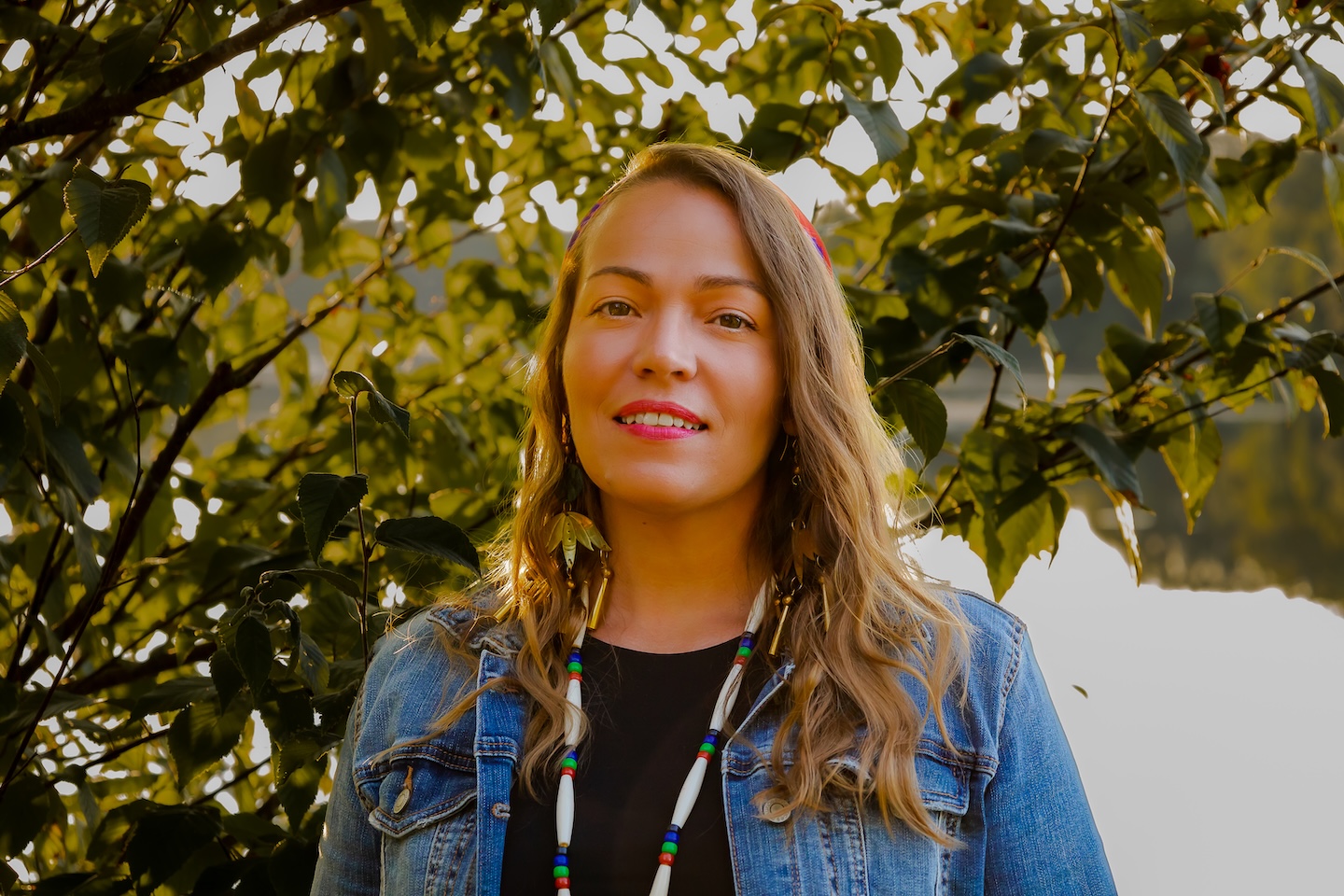
Join me for an interactive and empowering keynote as we delve into the critical issue of Missing and Murdered Indigenous Women/People (MMIWP). We will explore how WWHI & Indigenous communities are building movements to address, prevent, and heal from gender based violence impacting Indigenous women and relatives. This talk will focus on restoring the Matriarchy, uplifting survivor voices, and igniting spaces of healing to create a future free of violence for the 7th generation. This keynote will inspire action and offer pathways towards a more just and healed future.
Kristin Welch is the Founder and Executive Director of Waking Women Healing Institute, an Indigenous & Survivor-led nonprofit organization. The Institute centers healing through direct action, policy work, storytelling, data activism, and advocacy for and with survivors of Domestic Violence/Sexual Assault (DV/SA), and Missing and Murdered Indigenous Women/People (MMIWP) families.
A descendant of the Menominee Nation, with German, Irish, and Norwegian ancestry, Kristin holds a Bachelor of Arts in Leadership Studies with an emphasis on Human Development. For over a decade, she has been immersed in resilience and healing work, systems change, and Indigenous life-span models for wellness.
Kristin’s impactful work includes the development of several key resources:
- The MMIW/P Healing & Response Teams Training
- The MMIW/P Digital Resource Map
- The “We Are Brave” curriculum for survivors
- The Liberation Healing Resistance resource kit.
Her leadership extends to significant policy work. Kristin was an active member of the Wisconsin Department of Justice (DOJ) MMIW Task Force for three years, playing a key role in its early development. She also served as a commissioner on the federal Not Invisible Act Commission (NIAC), where she contributed significantly to the NIAC “Not One More” Report, which presented findings and recommendations to address MMIW/P and Human Trafficking against Indigenous peoples.
Mimi Khúc
Co-sponsored by the UW–Madison Center for Research on Gender and Women and the Disability Cultural Center
Funding provided by the Anonymous Fund
“What Hurts? Towards a Pedagogy of Unwellness with dear elia”
Friday, April 11, 2025, at 4:30pm CDT

Join Dr. Mimi Khúc as she shares her work on unwellness and the university from her new book, dear elia: Letters from the Asian American Abyss, a hybrid scholarly-arts project that traces the contemporary Asian American mental health crisis at its many intersections with what she calls “compulsory wellness” and through that asks readers to engage their own unwellness. In it, Dr. Khúc introduces her framework of a pedagogy of unwellness—the recognition that we are all differentially unwell, an offering set to revolutionize the fields of mental health, Asian American studies, disability studies, and higher ed more broadly. Join to explore what a pedagogy of unwellness reveals for your university community.

Mimi Khúc, PhD, is a writer, scholar, and teacher of things unwell. She is the creator of the acclaimed mental health projects Open in Emergency and the Asian American Tarot, and the author of dear elia: Letters from the Asian American Abyss, a deep dive into the depths of Asian American unwellness at the intersections of ableism, model minoritization, and the university, and an exploration of new approaches to building collective care.
Masks will be required for this event. N95 masks will be provided.
Too Fat To Run
Co-sponsored by the UW–Madison Division of the Arts, Interdisciplinary Theatre Studies, and Rotate Theatre Company
Friday, April 11, 2025, at 7:30pm-9:00pm CDT
Written and Performed by Eileen Tull

Three weeks before the Chicago Marathon, Eileen Tull gets a “concerned” email from a “concerned” acquaintance who is very “concerned” that she, fat as she is, plans on running the marathon. “What are you trying to prove?” they ask.
Rotate Theatre Company is pleased to present the Wisconsin premiere of Eileen Tull’s new solo show, Too Fat To Run. In this funny, thought-provoking 60 minute piece, Tull brings the audience along her marathon journey, skillfully weaving stories touching on sizeism, accessibility, body image, disordered eating, alcoholism, self doubt, self advocacy, and self love. Tull, a Chicago-based actor, educator, and comedian, was recently featured in American Theatre for her work with Fat Theatre Project and is currently touring Too Fat To Run around the country.
Directed by Jessica Landis.
Artists’ Panel
Co-Sponsored by UW–Madison’s Department of Gender and Women’s Studies and funded by the Mellon Foundation’s Affirming Multivocal Humanities Program
“Critical Embodiments of Belonging and Home/land in Contemporary Midwest Visual and Performing Arts”
Saturday, April 12, 2025, at 10:00am CDT
This panel features a discussion between four Midwest-based artists whose work reflects the body as a critical site for exploring connections between social and cultural belonging with home and homeland. Here, home and homeland are understood as distinct yet interrelated concepts shaped by the confluences of gender, race, sexuality, class, language, dis/ability, and citizenship, among other markers of social and cultural belonging. Broadly, “home” is understood as a place where one lives and presumably feels safe and comfortable, while “homeland” is understood as a geographic location tied to ethnicity, nationality, ancestry, and/or birthplace. Feminist inquiry shows how the gendered space of “the home” is not always safe or accessible for minoritized groups while also highlighting how it has been, is, and can be reclaimed as a site for cultivating and embodying feminist resistance and community. Decolonial critique shows how “the homeland” is deployed in dominant discourse to advance imperialist and capitalist agendas while also highlighting how indigenous and diasporic communities reclaim it as a site of embodied belonging, history, and transformation that exceeds its borders. The artists on this panel are invited to discuss how their work embodies the limits and possibilities of social and/or cultural belonging relative to these concepts of home and/or homeland. How do the aesthetic legacies and artistic mediums they each draw from materialize the embodied dimensions of feeling, or not feeling, at home? When and where can the visual and performing arts serve as conduits that connect individuals and communities to homelands from which they have been displaced, alienated, or rejected? In what way is the making of home and/or homeland an aesthetic, embodied practice that signals social and/or cultural belonging or unbelonging? When and where does the natural environment factor into discourses and embodiments of belonging, home, and homeland?
This panel is part of a multi-year exploration of Home/Land as part of the Mellon Foundation’s Affirming Multivocal Humanities program organized by the Department of Gender and Women’s Studies. It will investigate the sculptures, photography, performances, and multimedia works of Pao Houa Her, Harmony Hill, Kantara Souffrant, and Charlie Wetzel.

Harmony Hill is a Milwaukee based artist and enrolled member of the Oneida Tribe of Indians of Wisconsin with lineal and cultural ties to the Ho Chunk and Stockbridge Munsee Nations. She is a mother, singer, dancer and multi-media artist with a focus on woodwork, beading, sewing and painting. Harmony’s work focuses on cultural pride, issues and the empowerment of women. She has a passion for native history and uses art to make it more accessible. Through strong cultural and ancestral imagery, she strives to give voice to and empower indigenous people across the continent, particularly women. As a victim of physical and sexual violence she feels a responsibility to be a voice for the empowerment of women. She chooses to direct the focus of her work on the power, medicine and potential of women rather than the negative aspects of victimization. With humility, she strives to create work for the people and to heal the people.
As the a board member for the Southeastern Oneida Tribal Services, and chairwoman of the Oneida Nations Arts Board and her non-profit, Red Magic, Hill works to celebrate, preserve and advance Native American arts and culture while strengthening community ties through education and representation.
“I measure my success by how my work touches the hearts of my people, and consequently heals my own heart.” -Harmony Hill
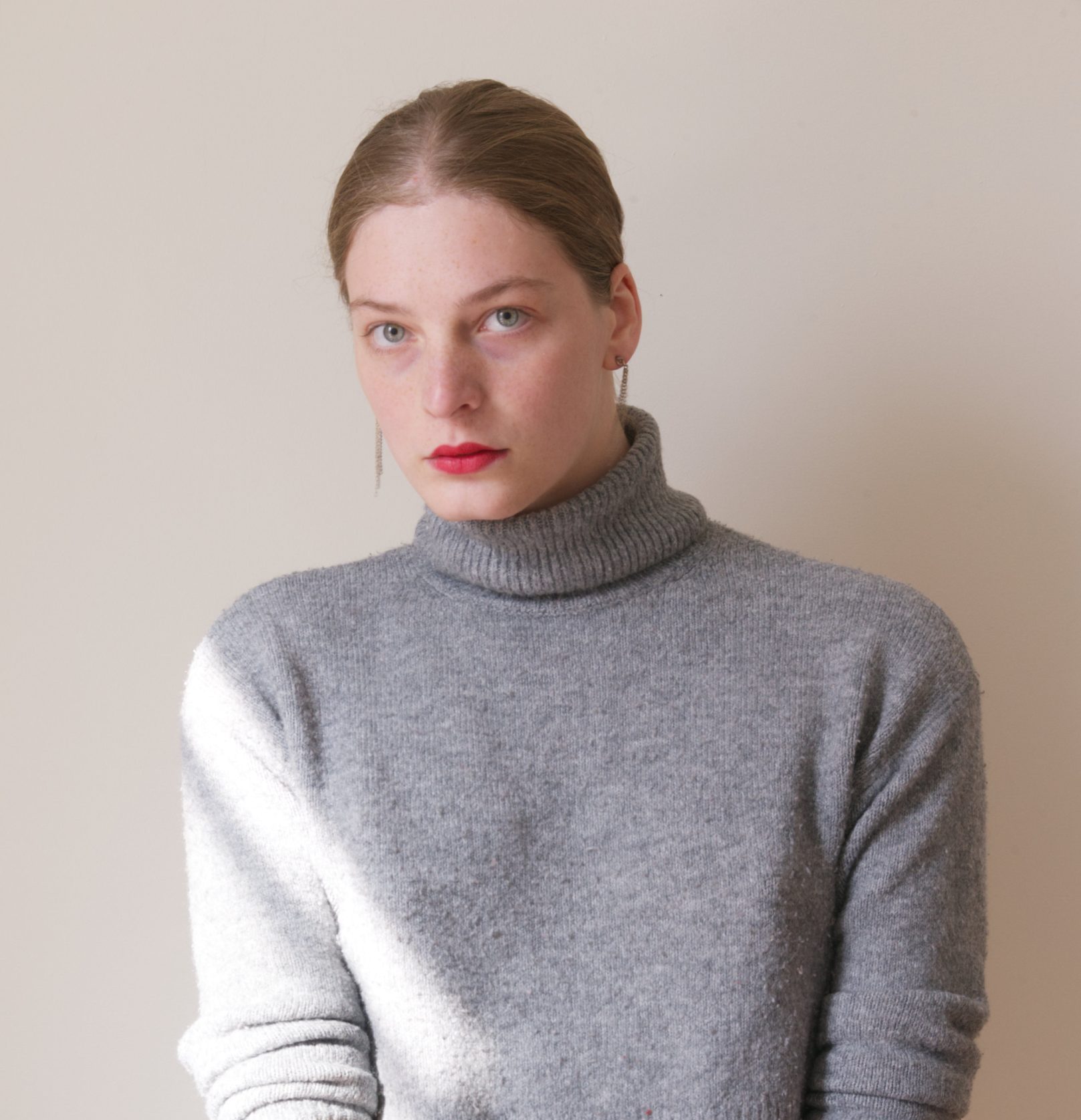
Charlie Barbara Wetzel (b. Chicago, Illinois) is an American artist who works inside the intellectual cul-de-sac where sculpture, photography, and performance reside. Wetzel graduated from Lawrence University with a BA in Studio Art, and she lives and works in Chicago. She is a 2023 Thomas J. Watson Fellow and has shown her work in the U.S. and Europe in group and solo exhibitions.

Pao Houa Her is a Hmong American artist whose practice engages primarily with legacies and potentials of landscape, portraiture, and documentary photographic traditions and aesthetics, creating works that examine identity, longing, and belonging in Hmong diasporic communities.
Among Her’s solo exhibitions include Paj quam ntuj / Flowers of the Sky at the Walker Art Center in Minneapolis (2022–2023), Emplotment at Or Gallery in Vancouver, Canada (2020), and My grandfather turned into a tiger at Midway Contemporary Ar in Minneapolis (2018). Recently exhibited in the Whitney Biennial (2022), her work has been included in group exhibitions at the National Portrait Gallery in Washington DC; the Milwaukee Art Museum; MAIIAM Contemporary Art Museum in Chiang Mai; the Minneapolis Institute of Arts; among many others. A prizewinner in the 2022 Outwin Boochever Portrait Competition (2022), Her was the recipient of the McKnight Visual Artists Fellowship (2022 and 2016), and the Jerome Fellowship for Emerging Artists (2019). Notable public collections include the Singapore Art Museum, The Met, The Whitney Museum and the Walker Art Center.

Dr. Kantara Souffrant is the Senior Director of Community Dialogue and Adult Programs at the Milwaukee Art Museum, where she oversees art experiences rooted in vulnerability, feeling interconnected, and building sustainable community partnerships. Souffrant is a Haitian-American artist-scholar, museum educator, trained facilitator, and curator who brings her passion for community engagement, dialogue, and facilitation to her work as a performer, educator, and community member. She holds a Ph.D. in Performance Studies from Northwestern University, with certificates in Critical Theory, African and Diaspora Studies, and Teaching. Her scholarship examines visual and performance art in the Black Atlantic, Black feminist aesthetics, and museum pedagogy.
Souffrant has curated and facilitated performances, educational and community programming venues such as New York’s Judson Church, The Field Museum in Chicago, Links Hall, the Haitian American Museum of Chicago (HAMOC), and the Whitney Museum as part of the Whitney Biennale. Souffrant continues to write and publish and has taught at Oberlin College, Northwestern University, and Illinois State University and is co-editor, along with Dr. Marianna Pegno, of the volume Institutional Change for Museums: A Practical Guide to Creating Polyvocal Spaces from Routledge Press.
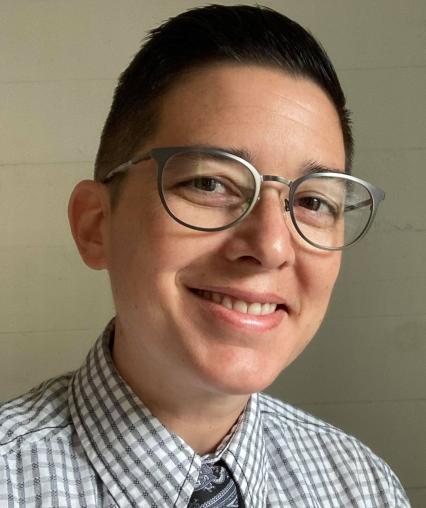
Panel Moderator, Dr. Rae Langes is Assistant Professor in the Race, Ethnicity, and Sexuality Studies Department at the University of Wisconsin-Eau Claire. Their research focuses on contemporary queer and trans performance and visual art in the U.S. and Latin America. Their most recent project includes curating Mexico City-based multimedia artist Sofia Moreno’s solo exhibition Flores Nocturnas (Blooming at Night) at UW-EC’s Foster Gallery, which envisions trans kinship, pleasure, and futurity. Their solo performances engage the intersections of queerness with power and desire and have been featured at interdisciplinary art events such as the Chicago Home Theater Festival and activist spaces like The Center for Social Justice at the University of Oklahoma.
Wheelhouse Studios Walk-in Workshops
Friday, April 11, 2025, 10:00am-3:00pm CDT
Saturday, April 12, 2025, 9:00am-11:00am CDT
Wheelhouse Studios is an open art studio in Madison located at the Memorial Union with three versatile workspaces, flexible studio designs, drop-in art opportunities, and classes for enthusiasts and first-time artists alike. Wheelhouse will facilitate drop-in workshops in the AT&T Lounge of the Pyle Center on Friday and Saturday.
Community Weaving Project
Join UW–Madison’s Wheelhouse Studios for a community weaving and bracelet activity. Participants will weave fabric into a shared loom representing the vision of the conference. Participants can also create their own bracelet cuff to take home. This is a walk-in activity hosted in the vendor room (AT&T Lounge of the Pyle Center) and will result in an archival piece for future conference displays.

