4W-STREETS Workshop in Collaboration with Residencia de Estudiantes de Español (UW–Madison)
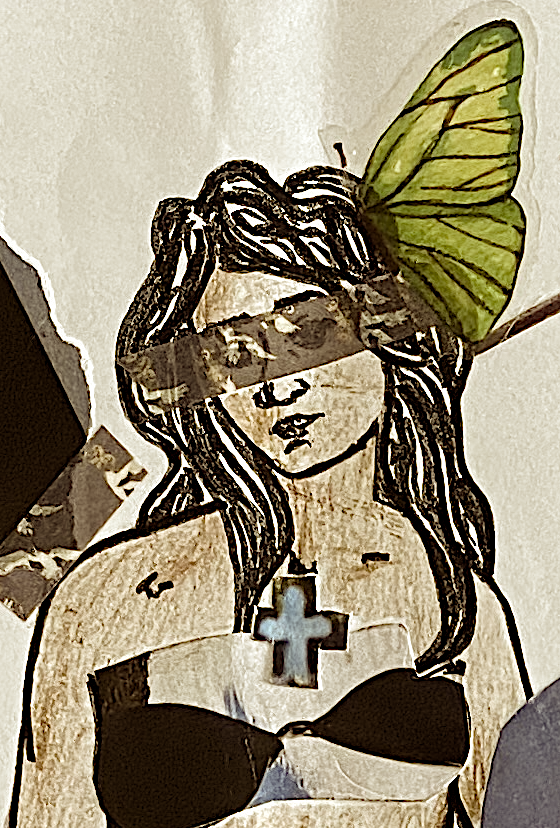
Migrations: Mapping the Body and Memory
4W-STREETS Workshop in Collaboration with Residencia de Estudiantes de Español (UW–Madison)
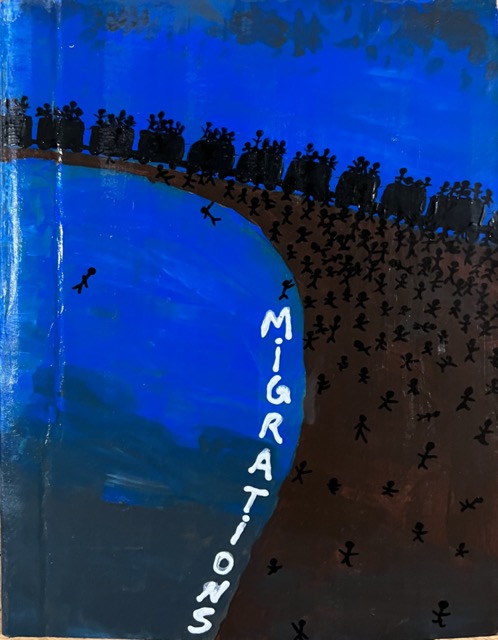
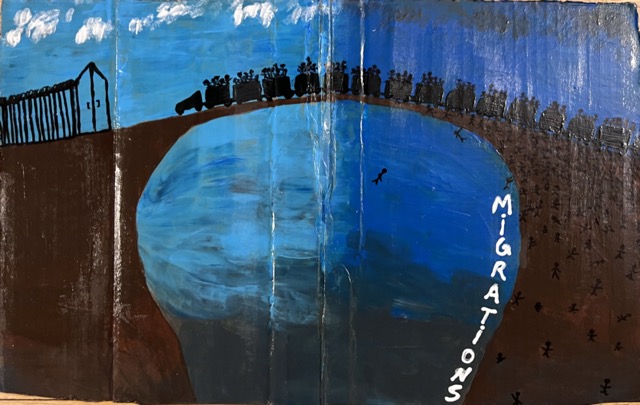
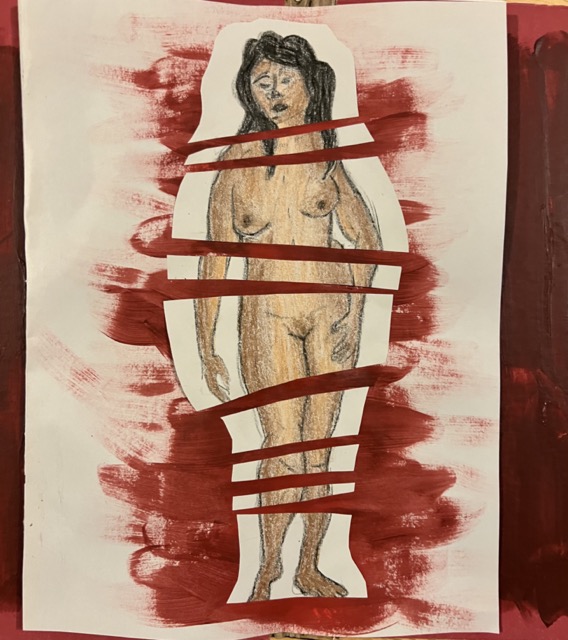
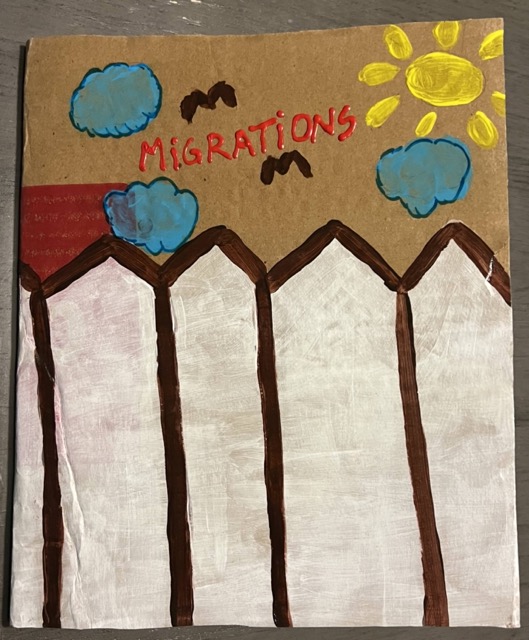
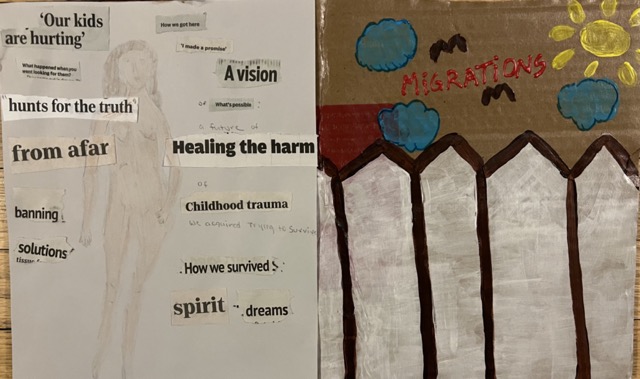
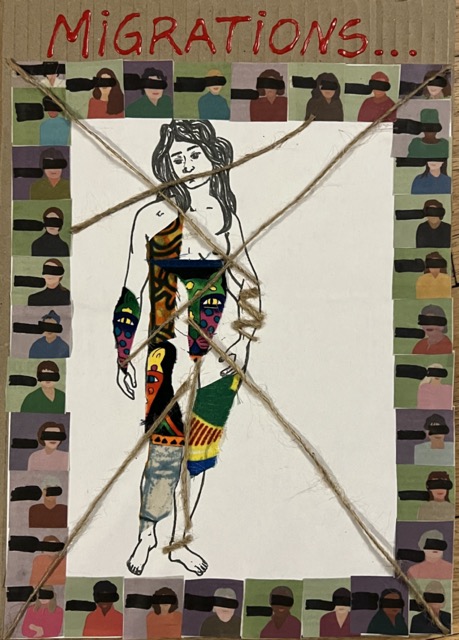
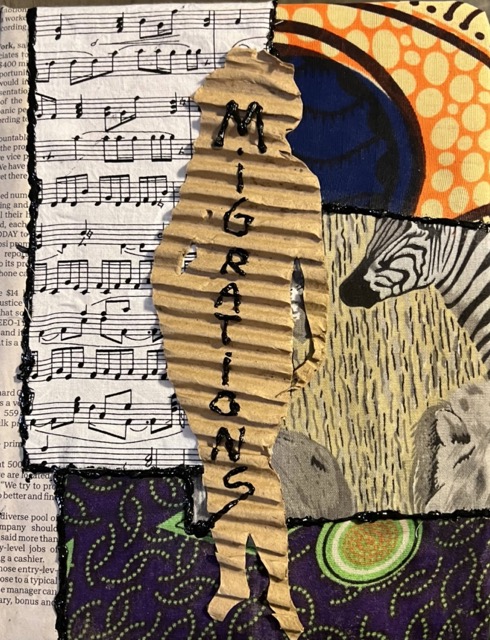
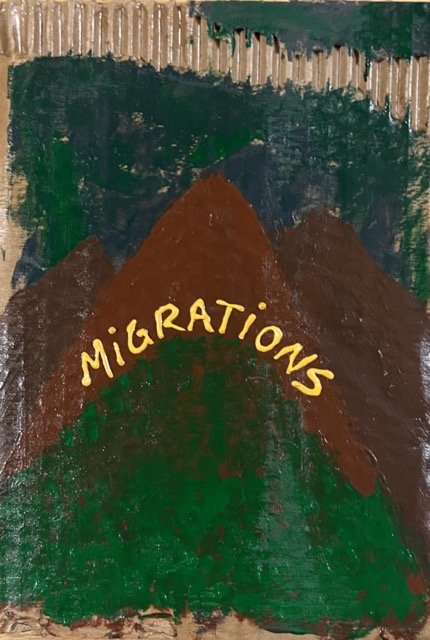
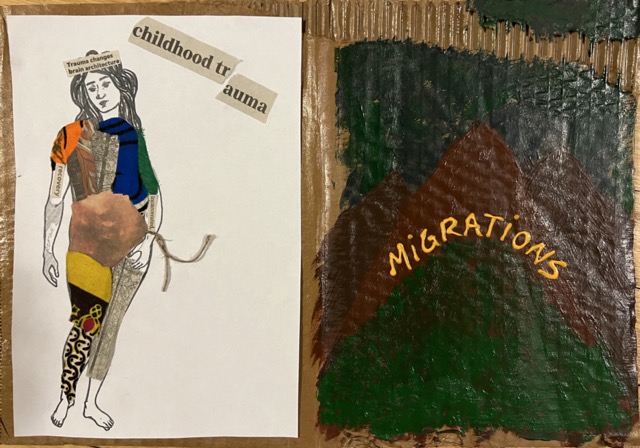
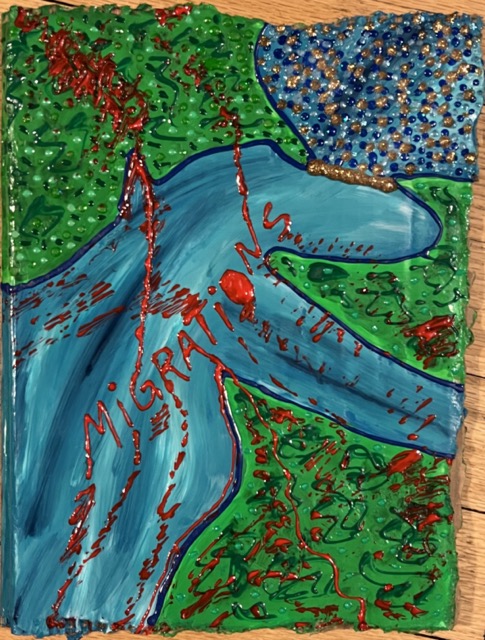
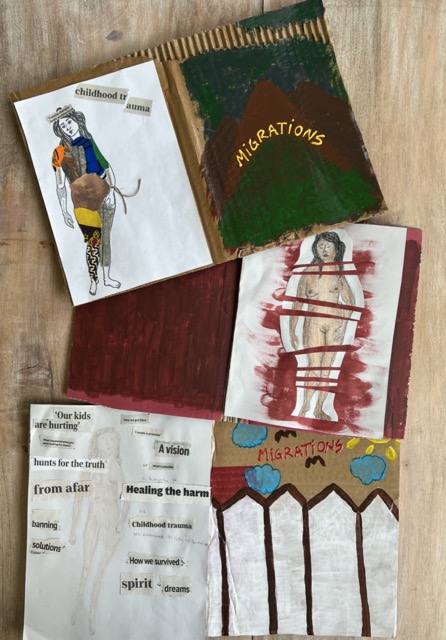
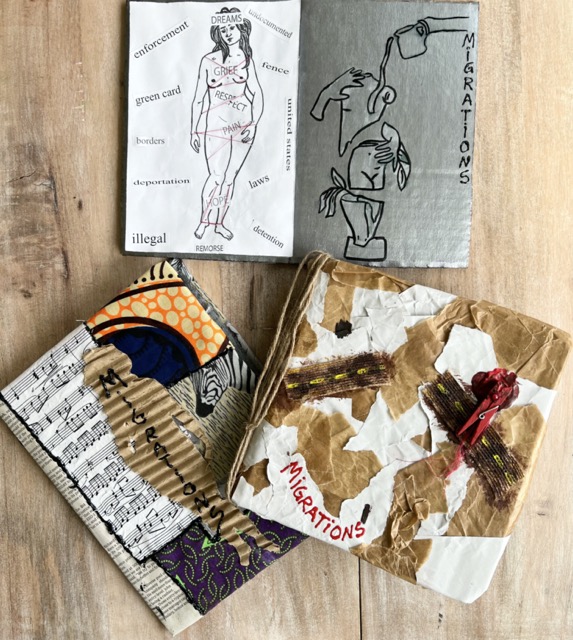
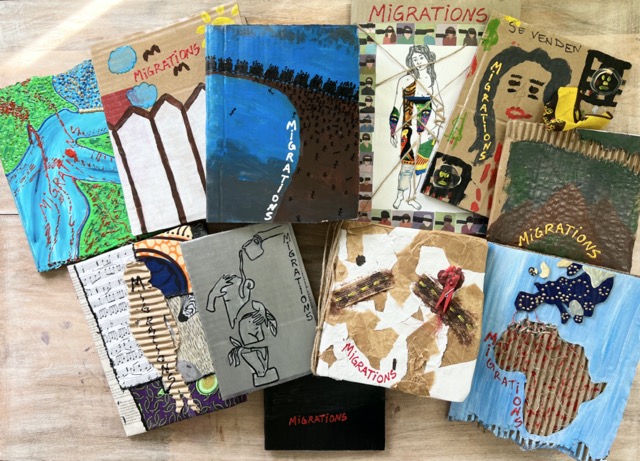
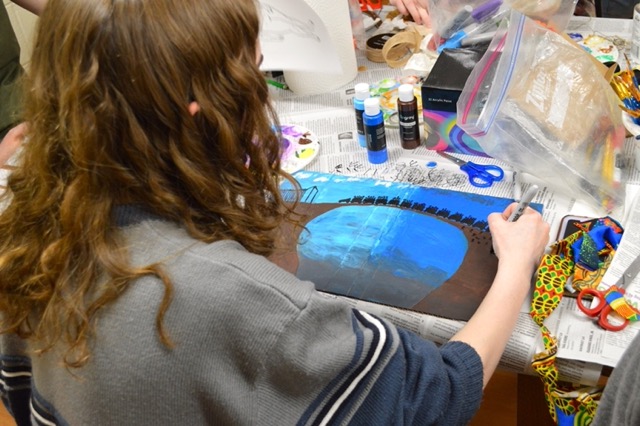
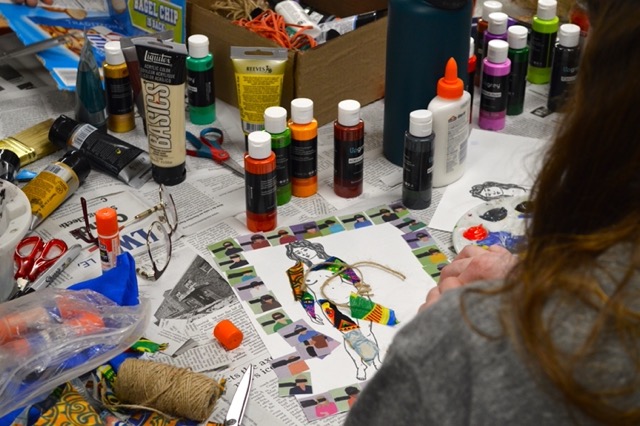
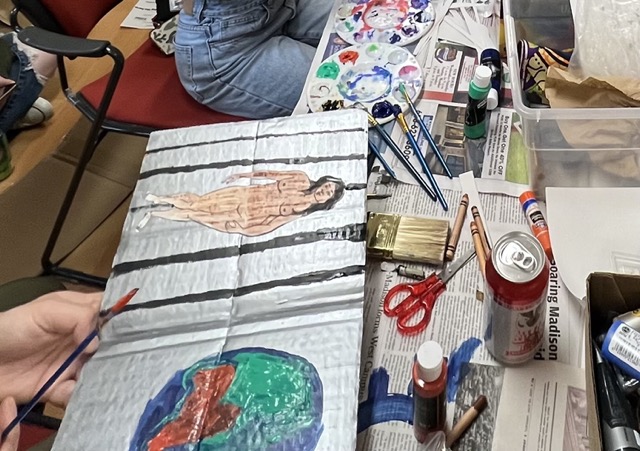
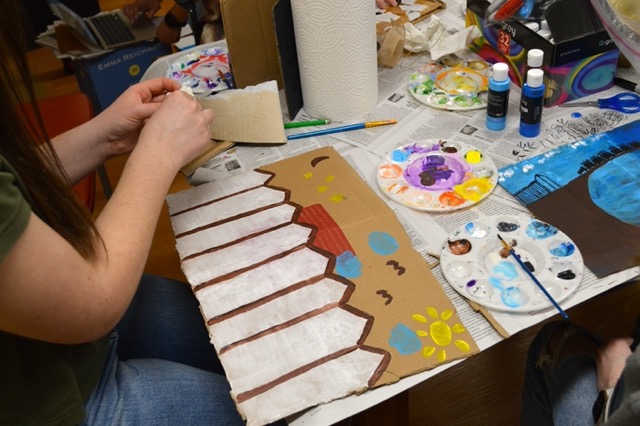
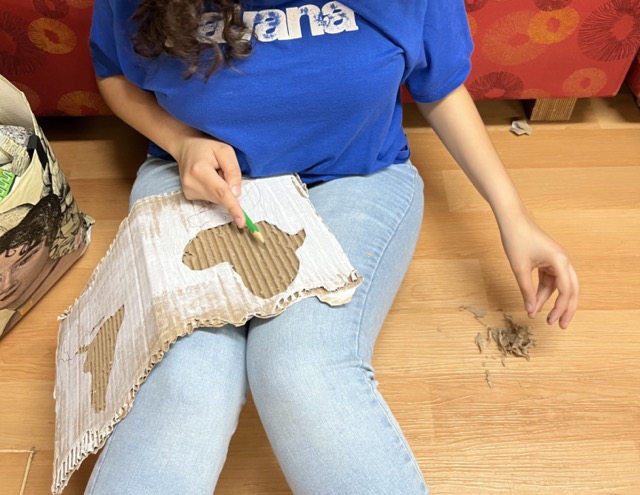
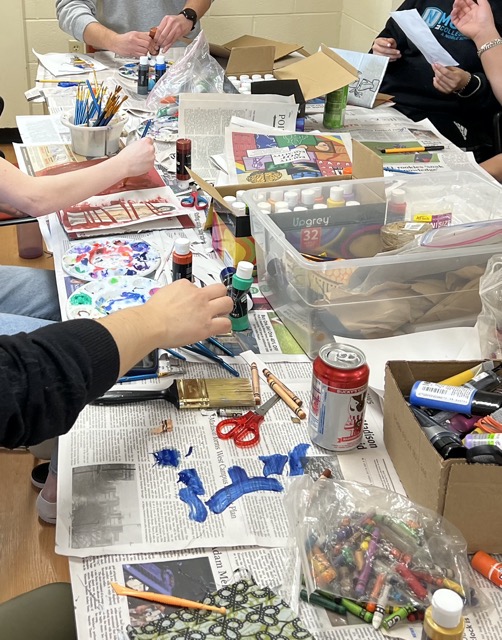
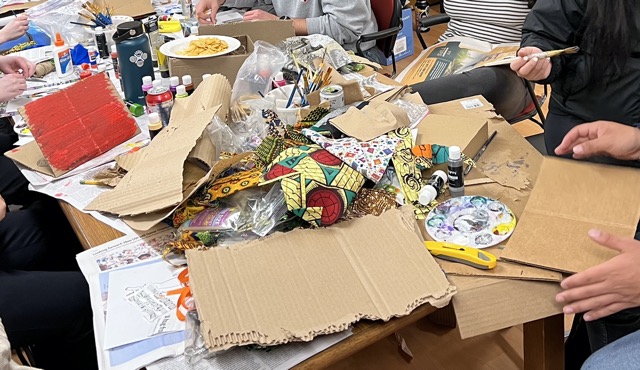
The project Migrations: Mapping the Body and Memory was inspired by Esperanza Jorge Barbuzano and Araceli Alonso’s activism and extensive fieldwork research on human rights, women’s migrations, and human trafficking. Working with students from the Residencia de Estudiantes de Español at UW–Madison, we organized a series of movie screenings and reflections on these topics, followed by the discussion Migrations, human trafficking and maps of the body and memory (migrant women from Central America and Sub-Saharan Africa), by Dr. Barbuzano and Dr. Alonso. This learning journey led us to the last stage of the project: two creative workshops, or Talleres de libros cartoneros, where the participants made hand-painted, cardboard cover books, a modest tribute to all women who migrate, to all migrants in transit.
| Project Directors: Saylín Álvarez Álex Lara | Participants: Ace Filter Annika Kennerhed Hailey Hoff John Herath Lizbeth Amaro Lucy Jumbeck Leila Madureira Álvarez |
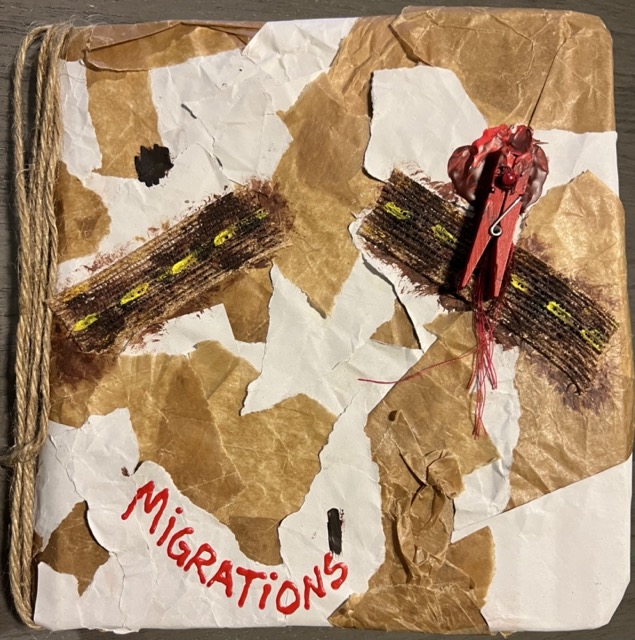

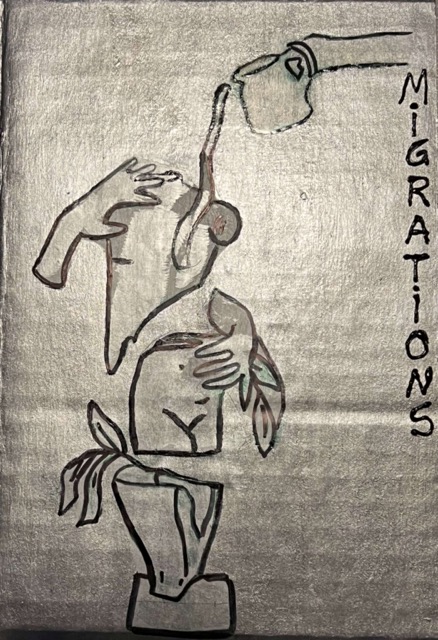
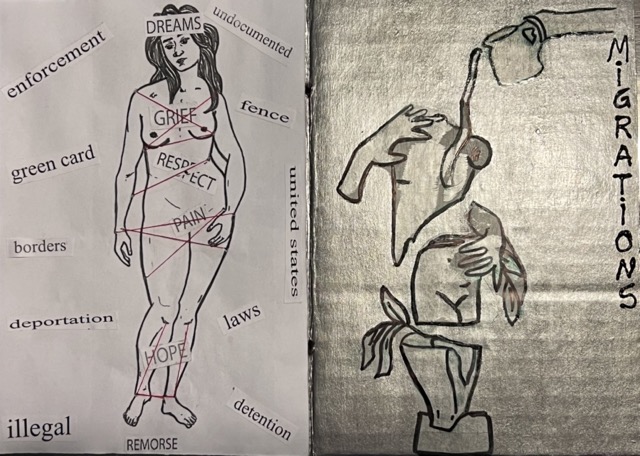




Screen the Echo: The Poetic Action
The short video below is part of the material generated in the SIGNAL-LANDSCAPE investigation that was carried out on the migratory route from Central America to the United States. This project was a collaboration between the University of Cádiz and the University of Wisconsin–Madison. The principal investigator has been Esperanza Jorge Barbuzano and the supervisor at the University of Wisconsin–Madison has been Araceli Alonso. This video aims to bring us closer to the painful context of the disappearances in Mexico from the perspective and action of the search families. This is a specific experience of one of the searcher collectives: Milynali Red, in Tamaulipas, Mexico. The Mexican government declared last year that it had exceeded 100,000 missing persons. Many of these cases are related to violence carried out by organized crime or state security forces. Economic interests, the exploitation of territories and human beings, corruption, trafficking, the transfer of merchandise and people, among others, are indicated as the basis of this humanitarian drama. Just as fear and silence are part of this landscape of disappearances, so are the searching families who with banners or shovels in their hands denounce, advocate, and act to change the world.